Does Australia Have Free Healthcare? Medicare Explained 2026
Australia is often described as having “free healthcare,” but the reality is a little more nuanced. Australia runs a universal healthcare system called Medicare, funded through taxation, which gives residents access to a wide range of free or subsidised health services. It’s not entirely free for everything, but it covers far more than many people expect. Here’s how it actually works.
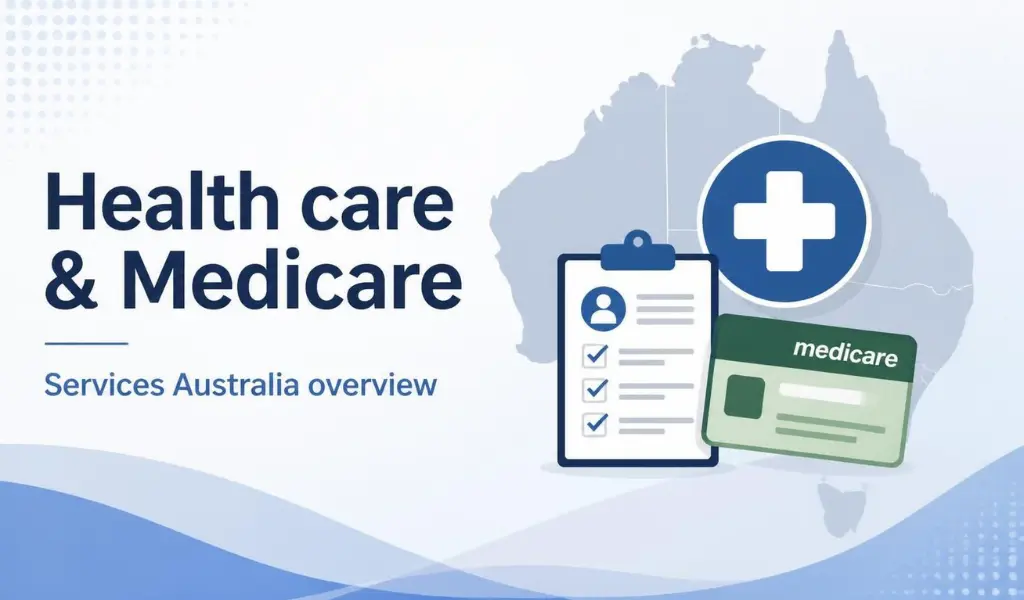
Is Healthcare Really Free in Australia?
For many services, yes, effectively free at the point of care. Medicare covers the full cost of public hospital treatment as a public patient, and many GP visits are bulk billed, meaning you pay nothing out of pocket, since the doctor claims the fee directly from Medicare. However, not every service is fully covered, and some providers charge above the standard Medicare rebate, meaning you pay a gap fee.
How Australia’s Universal Healthcare System Works
Australia’s system is built around Medicare, funded mainly through general taxation and the Medicare Levy, a small percentage most taxpayers contribute. Rather than paying directly for each doctor’s visit or hospital stay, the cost is spread across taxpayers, and Medicare then covers or subsidises care when you need it. This is what’s known as a universal healthcare system, since it’s designed to be accessible to all residents, not tied to your ability to pay or your employment status.
What Medicare Covers for Free or at Low Cost
- Public hospital treatment as a public patient, including emergency care, is free
- Bulk-billed GP visits, where the doctor charges Medicare directly and you pay nothing
- Subsidised specialist visits, where Medicare covers part of the cost
- Subsidised prescription medicines through the Pharmaceutical Benefits Scheme (PBS)
- Some allied health and mental health services, under specific eligibility criteria
What Isn’t Covered by Medicare
Medicare doesn’t cover everything, which is why some Australians also take out private health insurance. Common gaps include:
- Private hospital treatment and choice of doctor in hospital
- Most dental care
- Optical and glasses, beyond basic eye tests
- Ambulance services, in most states
- Physiotherapy, chiropractic, and similar allied health services, in most cases
How Australia’s System Compares to Countries Without Universal Healthcare
In countries without a universal system, healthcare costs are typically covered through private insurance, employer-provided plans, or paid directly by the patient, which can lead to high out-of-pocket costs for medical treatment. Australia’s Medicare system spreads the cost across taxpayers instead, so residents generally have access to essential care without facing the full cost directly at the time of treatment. This is one of the key differences people often ask about when comparing Australia’s healthcare system to countries that rely more heavily on private health coverage.
Who Is Eligible for Medicare in Australia?
Medicare generally covers:
- Australian citizens
- Permanent residents
- New Zealand citizens living in Australia
- Some visa holders from countries with a reciprocal health care agreement with Australia
Other visa holders and temporary residents may need private health insurance instead, since not everyone automatically qualifies for a Medicare card.
How to Access Medicare Services
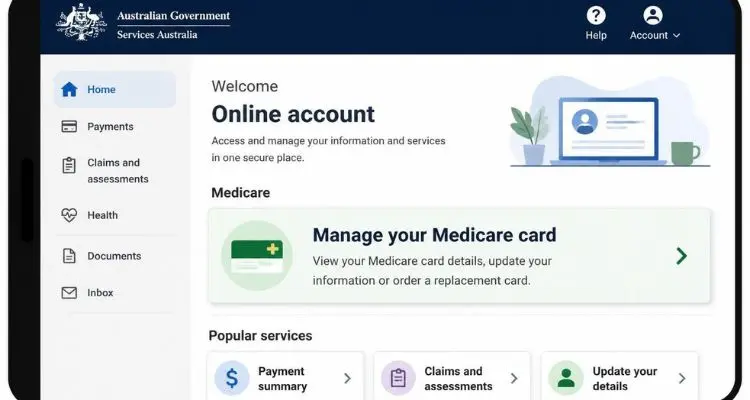
- Enrol for a Medicare card if you don’t already have one.
- Use your Medicare card when visiting a GP, specialist, or hospital.
- Ask if the provider bulk bills, so you know whether you’ll pay anything upfront.
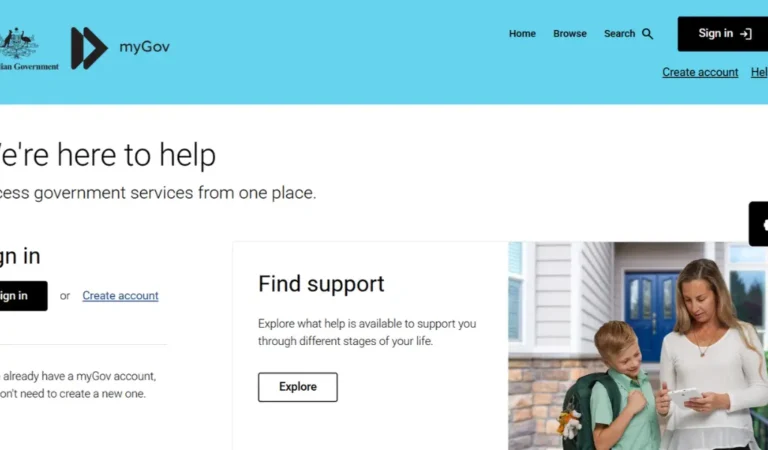
- Link your Medicare account to myGov to manage your claims and details online.
FAQs About Free Healthcare in Australia
Q: Is going to the doctor free in Australia?
It can be, if your GP bulk bills, meaning they charge Medicare directly and you pay nothing. Some GPs charge a gap fee above the Medicare rebate.
Q: Does Medicare cover hospital stays?
Yes, public hospital treatment as a public patient is covered by Medicare at no cost, though private hospital treatment is not.
Q: Is dental care free in Australia?
No, most dental care isn’t covered by Medicare, which is one reason many Australians take out extras cover through private health insurance.
Q: Do tourists get free healthcare in Australia?
Generally no, unless their home country has a reciprocal health care agreement with Australia, which provides limited access to essential Medicare services.
Q: Why do some people still get private health insurance if healthcare is free?
Private health insurance covers gaps like private hospital treatment, dental, and optical care, and can also help avoid the Medicare Levy Surcharge for higher-income earners.
Conclusion
Australia’s healthcare system isn’t entirely free, but Medicare makes a large share of essential care, including hospital treatment and many GP visits, free or low cost for residents. Understanding what Medicare covers and what it doesn’t is the key to knowing when you might need extra support, such as private health insurance, to fill in the gaps.